
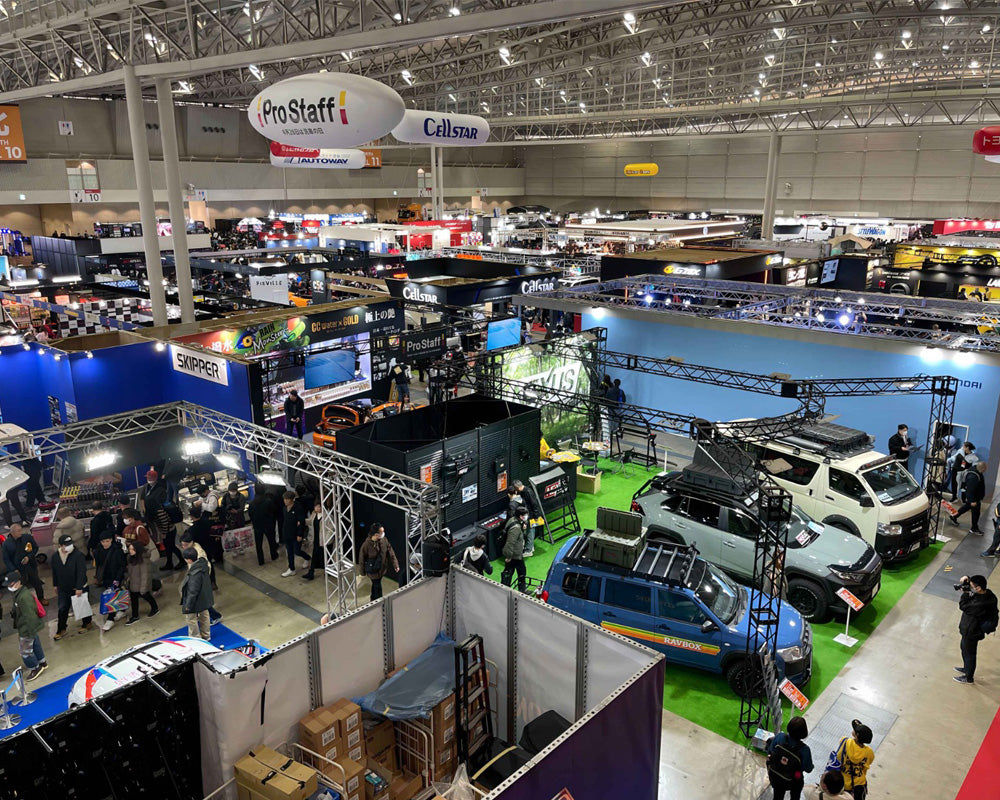
Auto modification is more than just changing parts; it's about making a bold statement. At the ongoing INAPA Indonesia 2026 exhibition, we are proud to present our top-tier exterior modification solutions to enthusiasts and industry professionals.
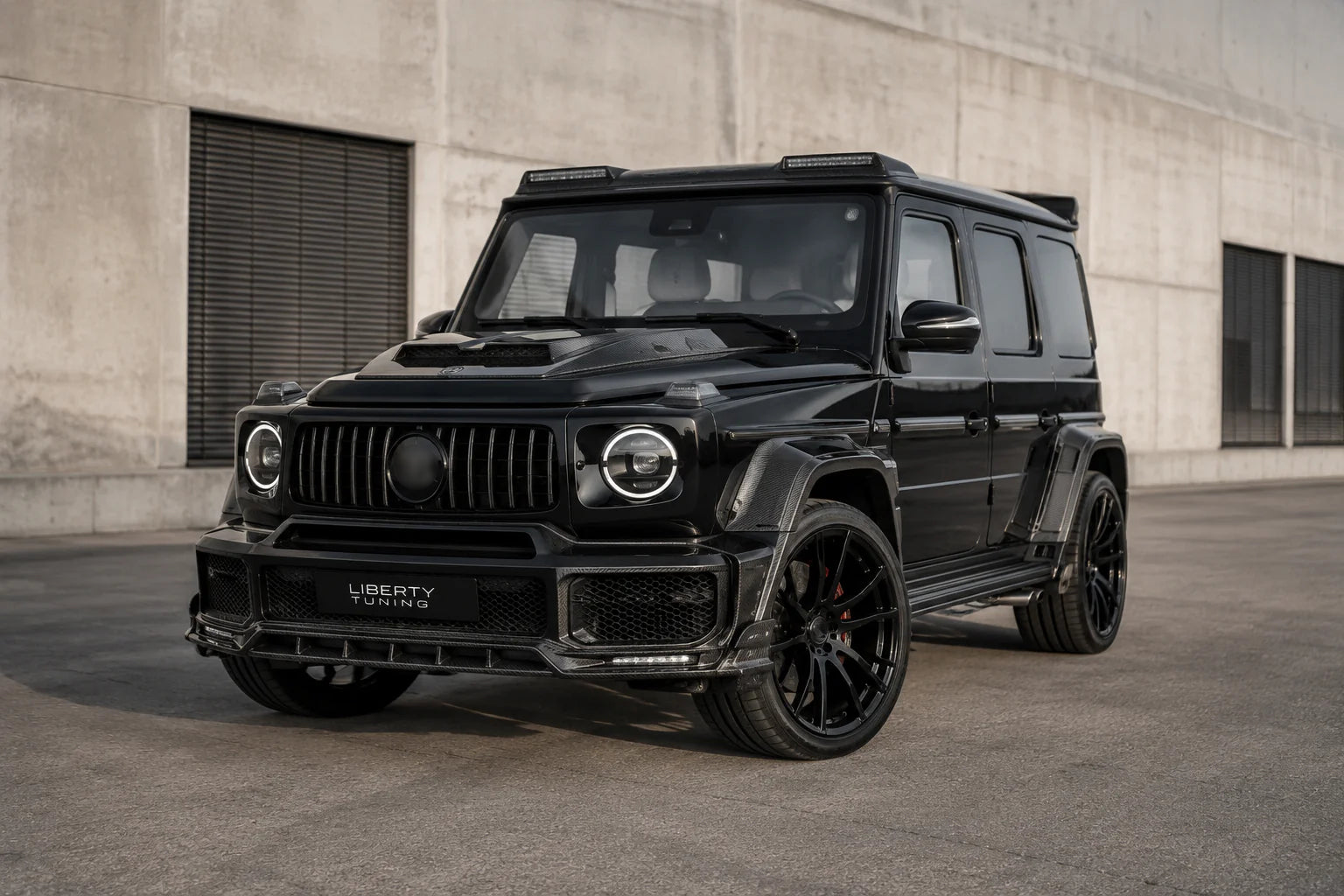
Located at Booth A1B3-10, our showcase features precision-engineered body kits tailored to bring out the best in Mercedes-Benz, BMW, and Toyota models. From aggressive front bumpers that enhance airflow to sleek rear diffusers, side skirts, and complete exterior transformations, every component is crafted to seamlessly integrate with the vehicle's original lines.
For Toyota owners—especially those driving premium MPVs and SUVs—our customized styling packages bring a luxurious, dominant character to the road. We understand that quality is paramount, which is why we prioritize high-grade materials and structural integrity in every piece we manufacture.
Stop by our booth at JIExpo Kemayoran before May 22nd to experience the craftsmanship firsthand.
Share:
No Compromises on Delivery: How We Ensure Your Carbon Fiber Body Kits Arrive Flawlessly